



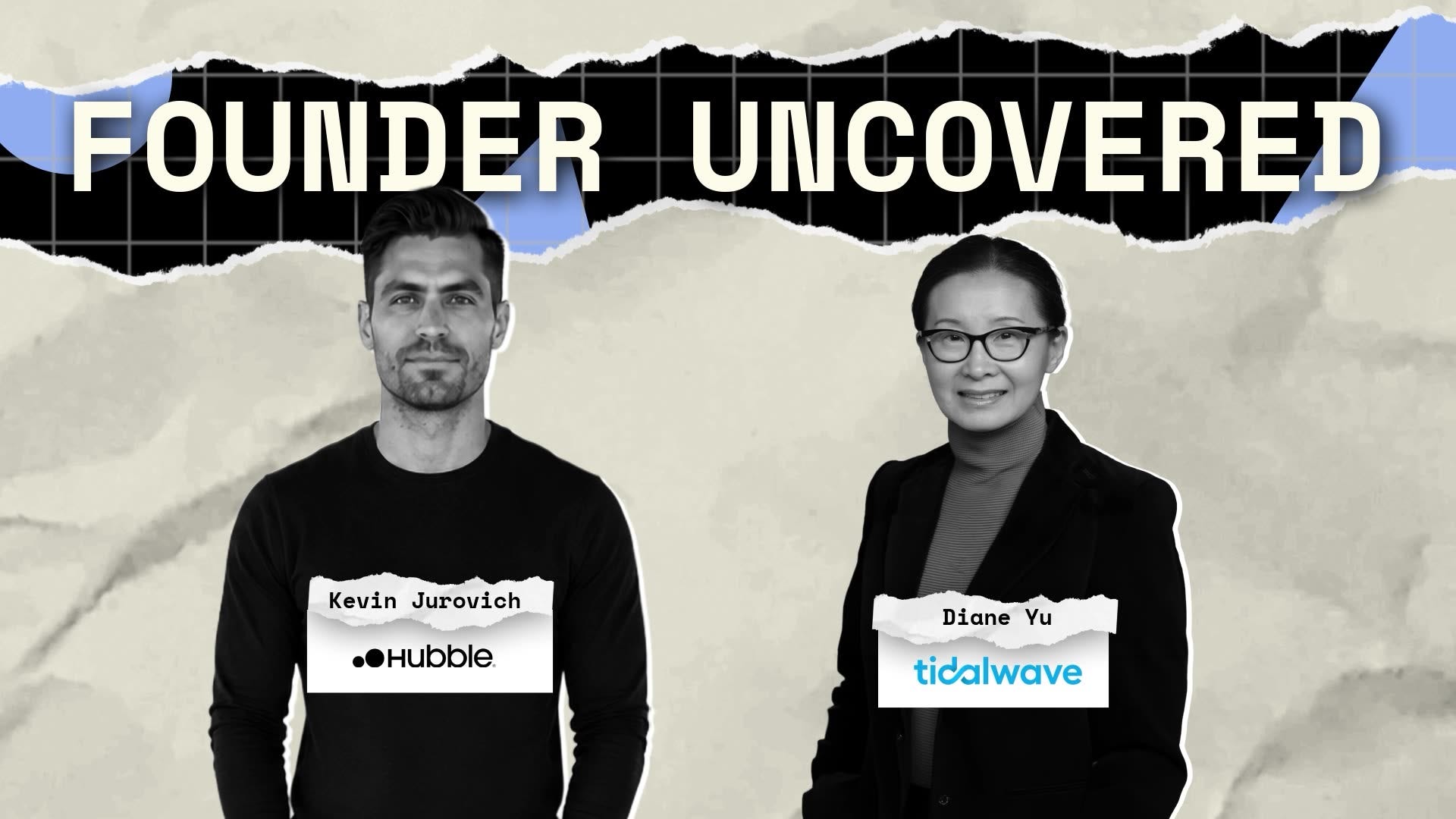

Diane Yu applied for her first mortgage nearly 30 years ago without understanding the process or knowing which questions to ask. When she applied again decades later, after building and selling a successful company, she found that little had changed.
The experience repeats itself millions of times each year. In 2023, U.S. lenders received roughly 5.3 million home-purchase applications and originated about 3.45 million loans. Among completed applications, 9.4 percent were denied, according to the Consumer Financial Protection Bureau. That figure excludes applications withdrawn or closed because the paperwork was incomplete.
Yu estimates that fewer than 2% fit the industry’s ideal financial profile. The rest may have multiple jobs, family contributions toward a down payment, inconsistent employment histories, overlooked debts or eligibility for loan products they do not know exist. No two financial lives look exactly alike, yet the system still depends on documents passing between borrowers, loan officers and underwriting departments with little visibility into what happens next.
Yu founded TidalWave in 2023 to build an AI-native mortgage origination system for lenders. The opportunity was not simply to make applications faster. It was to make a complicated system responsive enough to interpret each borrower’s circumstances without sacrificing accuracy or regulatory compliance.
Her team spent its first years developing what it calls a mortgage contextualizer, designed to validate critical information and restrict the system from answering questions it should not answer. In a Columbia University benchmark cited by Yu, TidalWave answered 95 percent of compliance-related questions correctly, compared with 42 percent for a general-purpose AI wrapper.
That order of operations reflects a broader argument about building artificial intelligence for consequential decisions. Yu compares it to constructing a building’s internal structure before installing its doors and windows. The product may be less impressive in an early demonstration, but it has a better chance of working when real people and real money enter the system.
In high-stakes industries, the most valuable AI is the one built to understand the exceptions.
Conversation Nibbles
An appetizer before the entrée
The best founders are often pulled by a problem: Yu returned to entrepreneurship because she encountered a problem she could not leave unsolved.
Build what works before polishing what sells: TidalWave developed its core infrastructure first, then added the interface customers wanted.
Recruiting should test conviction: Yu doesn’t paint an unrealistic picture of the role. She weeds out candidates by sharing the challenges.
A great team is not a collection of well-rounded people: Yu hires specialists with different strengths and builds the organization around how those abilities fit together.
Founders do not need to imitate the standard CEO archetype: An introverted engineer can lead through product judgment, customer proximity and a willingness to keep improving.
Listen to the full episode!
More from Uncovered Media


